Casiny Notes Australia
Casiny mobile browser format on phones and tablets
 Available in US
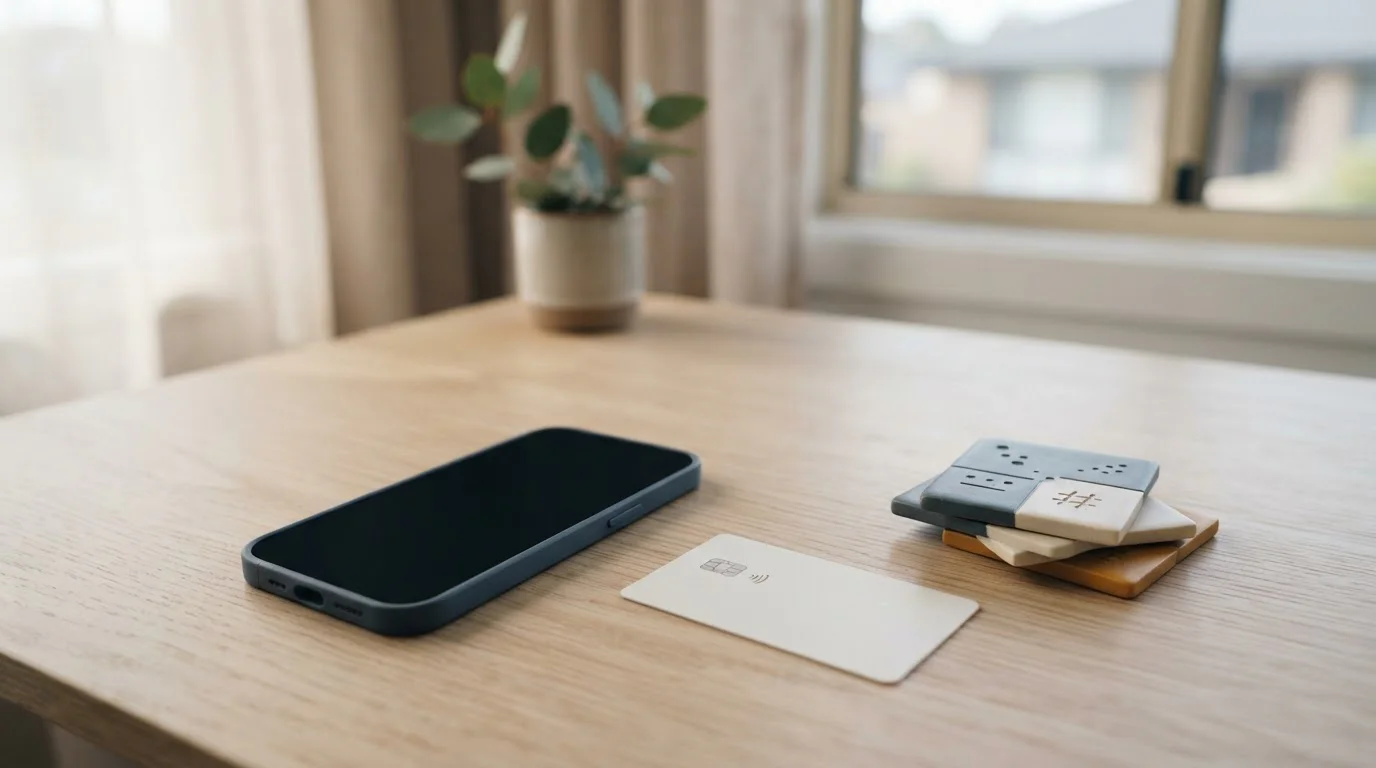
Casiny provides a responsive HTML5 browser experience for mobile screens, with the operator describing use without a native application download. The important distinctions are how a website behaves on smaller displays, what a home-screen shortcut actually changes, and which account, payment and device risks remain in place.

A small screen makes security habits more consequential
Casiny’s mobile experience runs through a browser, so the ordinary risks of a browser session travel with it. A phone may contain saved credentials, email access, payment notifications and wallet software in one place. Convenience can make it easy to move between those functions, but also means that loss of control over the device can affect several accounts at once.
The first distinction is between screen security and account security. A device lock limits casual access to the phone; it does not replace an account password or optional second factor. A password manager may reduce the temptation to reuse a password, yet a person with access to an unlocked phone and unlocked mailbox may still have a path to password recovery. No particular safeguard should be treated as a complete guarantee.
- Shared devices: an open browser tab or retained login can expose balances and account details to the next person using the device.
- Notifications: lock-screen previews may reveal account emails or financial activity without opening the browser.
- Copy and paste: a long cryptocurrency address can be difficult to inspect on a narrow display, while a mistaken transfer may be irreversible.
- Connection changes: moving between mobile data and Wi-Fi can interrupt a live stream or a transaction confirmation screen; a visual interruption is not proof of settlement.
- Screen readability: cramped tables and small labels make it easier to overlook a term or distinguish the wrong transaction destination.
Those are general mobile-device considerations rather than features or measured failure rates specific to Casiny. They matter because the same phone may display a game, present an identity request and open a digital wallet. Technical convenience does not alter the financial risk of casino games.
Digital assets add a separate point of failure
Casiny’s Australian information lists Bitcoin, Ethereum, Litecoin and Tether as payment options. Digital assets can change in value independently of any gambling result. Sending assets to an incorrect wallet address can also result in loss that a casino account balance cannot reverse. A narrow screen, shortened text display or hurried address confirmation can make this distinction especially important.
A wallet transaction and a casino balance entry are not identical records. The blockchain can record that funds were sent to an address, while a platform may separately decide whether and when an associated account balance changes. The financial effect of an erroneous address, exchange movement or network cost should not be confused with the result of a game. The broader payment-method overview separates fiat and cryptocurrency rails.
Risk-aware mobile use also benefits from boundaries that operate independently of the device. Casiny describes deposit, loss and session limits, and its account terms describe self-exclusion requests. Closing an app-like shortcut, silencing alerts or turning off a phone is different from arranging an account-level exclusion or obtaining support for gambling-related harm.
A home-screen icon remains a route into a website
AskGamblers describes an option to save Casiny’s browser experience for easier access. On a phone or tablet, a home-screen shortcut is an icon that points to a site. It can make the experience resemble an application launcher without changing the basic fact that the content is delivered through the browser environment.
A shortcut should not be confused with a native iOS or Android application. Native applications are installed software packages that may use platform-specific interfaces and permissions. A browser shortcut usually retains its relationship to website sessions, browser data and the underlying web address. That difference affects the mental model of sign-in, updates, privacy and storage.
| Format | How it is accessed | Main practical distinction |
|---|---|---|
| Responsive website | Content is displayed in a browser tab | Layout adapts to screen width and browser capabilities |
| Home-screen shortcut | An icon opens a saved website destination | The launch icon alone does not establish a separately installed native app |
| Native mobile app | Software installed as an operating-system application | Uses an application package and platform-specific permission model |
The distinction also explains why a bookmark-like icon does not prove that content is available offline or that transactions continue independently of an internet connection. A casino website still depends on servers and payment systems for account activity and settlement. Likewise, a displayed icon cannot tell a user whether a payment or identity check has been completed.
Shortcuts and device habits
Using a shortcut can reduce the steps required to reach a familiar site, but it also gives that destination a persistent, prominent place on a home screen. For someone trying to reduce gambling exposure, that convenience can work against a personal boundary. Removing a shortcut only changes the device interface; it does not by itself close an account, change spending limits or initiate self-exclusion.
The security implications are equally ordinary. A shortcut that opens a browser session does not make an otherwise weak password stronger, and an icon itself is not a certificate of who operates a website. The account’s email, recovery process and identity requirements remain separate from the route used to display the interface.
Account checks follow the user across screens
Casiny describes email-and-password sign-in, password recovery and optional two-factor authentication. Those credentials belong to the account, not to one particular screen size. Moving from a desktop browser to a mobile browser does not create a separate identity, and the same one-account-per-person rule still applies.
That continuity can be useful to understand when considering payment and identity checks. Casiny’s policy allows requests for identity documents, address evidence, payment ownership information, a selfie or a video call. These checks are connected to the individual and the account, not merely to the device through which a request is viewed. A phone’s camera or photo gallery merely supplies images; the operator’s evidence requirements remain separate.
- Account access: an email-and-password session identifies which profile is open.
- Second-factor step: an optional additional credential may protect login when configured, without deciding the result of a payment review.
- Identity request: an operator can review the person, address and payment method associated with the account.
- Withdrawal handling: an original-payment-method rule and further security checks may affect the transaction independently of the screen used.
A mobile device can make document images easy to view, crop or transmit in general, but sensitive records should be treated differently from everyday photos. Personal identification, addresses and card details warrant careful attention to the recipient and context of a request. A password-reset email and a document-verification message have different security implications, even when both arrive on the same phone.
Why a remembered session is not an identity review
A remembered login is primarily a convenience feature. It indicates that a browser or account session can continue without re-entering every credential. It does not establish that payment-source checks have been completed or that a later withdrawal will be accepted. Casiny’s terms also require own-name payment methods and allow added security checks around the original transaction route.
The account and identity overview addresses how email access, supporting documents and payment ownership fit together. A device-level issue such as an expired browser session should be distinguished from a substantive account question such as whether the customer controls the payment method used.
There is a separate wellbeing implication. Frequent mobile notifications or easy sign-in can make gambling-related content more visible throughout the day. Account-level limits and support resources address that broader exposure; changing a phone display setting is only a device-level intervention.
Casiny uses a responsive HTML5 browser interface
Casiny runs a mobile-responsive HTML5 website for phones and tablets. The operator says a native application download is not required, and AskGamblers also describes access through a mobile browser. That makes the web interface, rather than an application-store installation, the central way the product is presented on handheld devices.
A responsive interface adapts the arrangement of menus, controls and content to different screen dimensions. This is a layout principle, not evidence that every game behaves identically on all handsets. Video resolution, touch-control spacing, browser version and connection quality can vary independently of the casino account. A live stream is especially sensitive to changes in available bandwidth, while a simple menu page may appear to load normally on the same connection.
Casiny’s broader game selection includes pokies and live roulette, blackjack and baccarat. Those formats impose different demands on a small screen. Slot games may put multiple buttons and payout indicators in a compact area. Live-dealer games combine streamed video with changing betting controls and timing information. The games and studio breakdown explains the categories and their rules without treating the mobile layout as a source of improved game odds.
Touch interfaces can hide important detail through scale
Smaller screens change how much context fits at once. A long table of conditions may require scrolling, while a live game can place information below or beside the visible video area. A term appearing below the fold is still a term. The underlying wagering and withdrawal conditions do not become simpler because a mobile layout condenses their presentation.
Navigation patterns can also affect the sequence in which a person encounters information. A desktop display may show a menu and several content panels simultaneously; a phone often reveals them through stacked sections. That layout difference is useful for reading, but it is not evidence about whether a named game has better returns, whether a withdrawal will be faster or whether a financial transaction has settled.
For an account using both card and cryptocurrency deposits, a web interface may put payment choices, account currency and wallet-address fields in neighbouring screens. AUD account denomination does not remove the possibility of currency conversion, network transfers or fluctuating cryptocurrency values. Those distinctions belong to the underlying payment mechanics rather than the screen width.
- Layout: a responsive page rearranges content for different display widths.
- Streaming: live-dealer video relies on a continuing data connection.
- Credentials: browser presentation does not change the account’s identity requirements.
- Payments: a successful visual confirmation should be distinguished from final transaction settlement.
- Game rules: paytables and table conditions remain relevant irrespective of device format.
Casiny’s browser-first presentation is therefore best understood as a delivery choice. It can make content fit phones and tablets without replacing the rules of the games, the account relationship or the risks of storing financial credentials on a mobile device.
Questions about Casiny on mobile
How does Casiny work on a phone?
Casiny uses a responsive HTML5 website that displays through a mobile browser on phones and tablets.
Does Casiny require a native app download for mobile access?
No. Casiny describes its mobile product as a browser-based website that does not require a native app download.
What is a Casiny home-screen shortcut?
It is an icon that opens a saved browser destination. A shortcut does not by itself establish a separate native application or an offline service.
Are account identity checks different on mobile?
The same account conditions apply across screen sizes. Casiny can request identity, address and payment-ownership checks regardless of the device displaying the account.
What risks matter when a wallet is used on a phone?
Cryptocurrency prices can fluctuate, and a transfer to an incorrect address can lead to irreversible loss. Phone display size does not remove either risk.
A browser-first format with familiar device risks
Casiny’s mobile offering is built around a responsive website, and a home-screen shortcut is simply another way to reach that web experience. The choice of screen does not change the account’s identity rules, the uncertainty of game outcomes or the exposure involved in card and cryptocurrency transactions. Phone security, financial boundaries and a clear distinction between browser convenience and completed transactions remain the useful points of reference.
Read next
Written by the editors at Casiny.